Authorio vs Vellum: Which Is Better for
Book Creators?
Vellum is arguably the best book formatter ever made. That's genuine praise. But formatting is one step in a five-step process, and Vellum only does that one step. Authorio is an end-to-end creation studio that handles ideation, AI writing, cover design, formatting, and export.
The overlap between these tools is narrow: formatting and export. Everything else is Authorio-only territory. Vellum doesn't write, doesn't help you write, doesn't generate covers, and doesn't collaborate. It formats manuscripts that already exist.
This comparison helps you decide whether you need a formatter or a complete book creation pipeline.



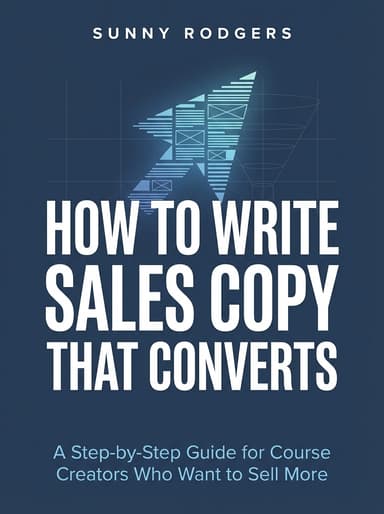


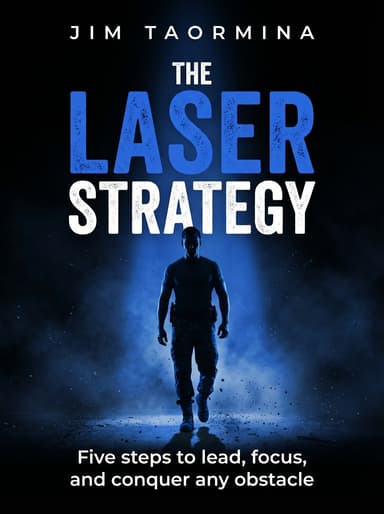
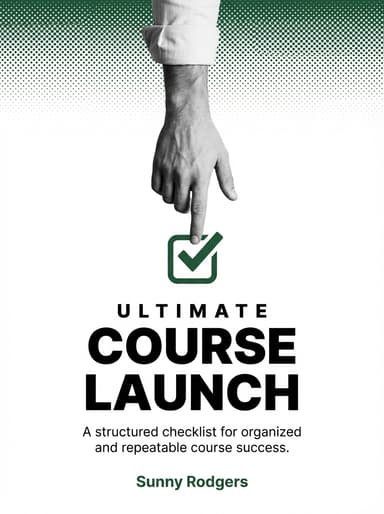
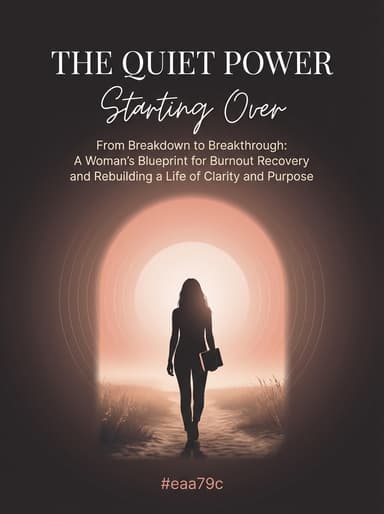


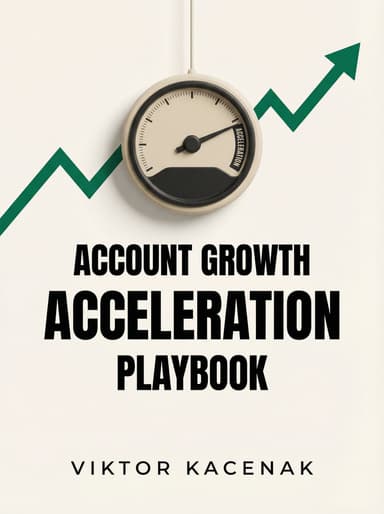
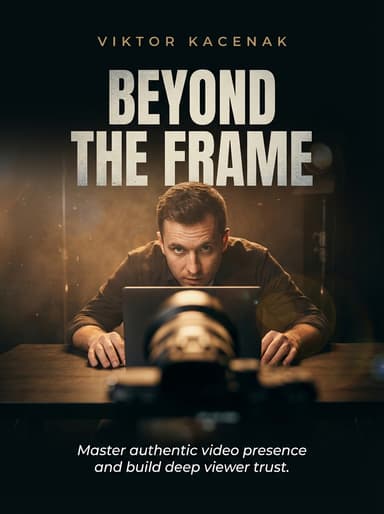
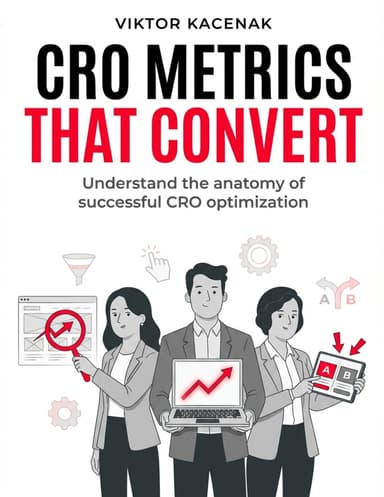


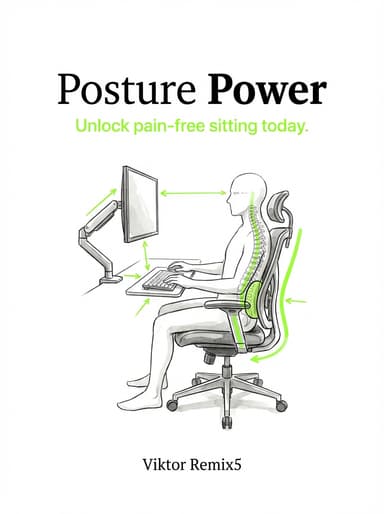

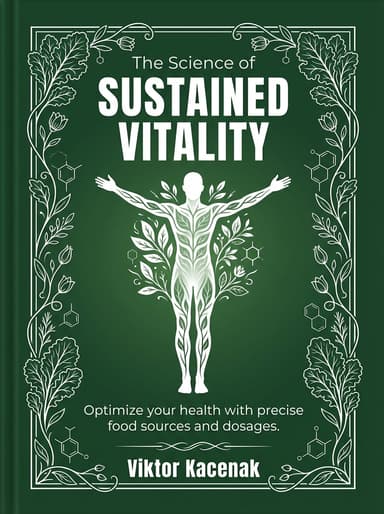

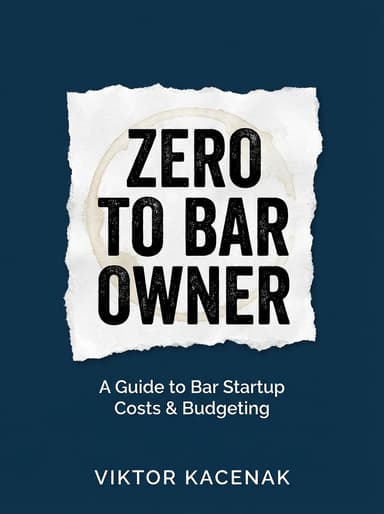


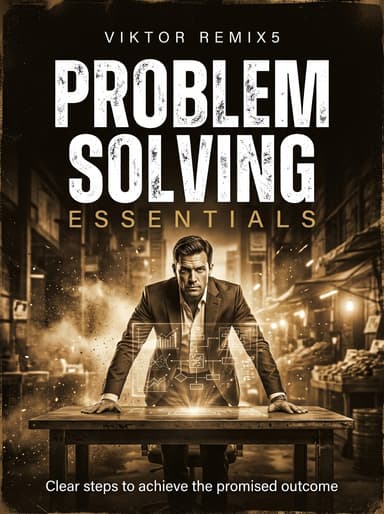


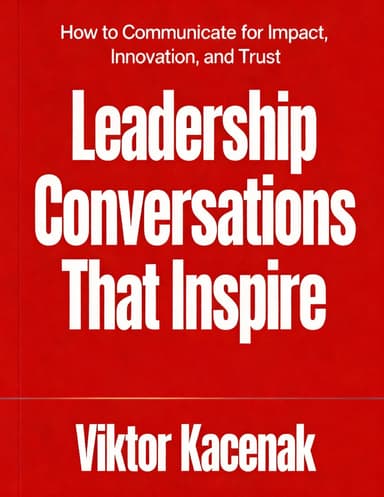



How They Compare
Vellum
The best book formatter on the market, and it knows it. Converts manuscripts into gorgeous ebooks and print PDFs. But it's Mac-only, formats only, and assumes you show up with a finished manuscript and cover in hand.
Authorio
Full PipelineAI book creation studio — outline, write, design covers, format, and export. One tool, one pipeline, one place. From blank page to published book in days, not months.
Feature by Feature
Authorio
Vellum
One Studio. Three Superpowers.
Write, edit, and design — all in one continuous workflow. No tool switching. No lost context.

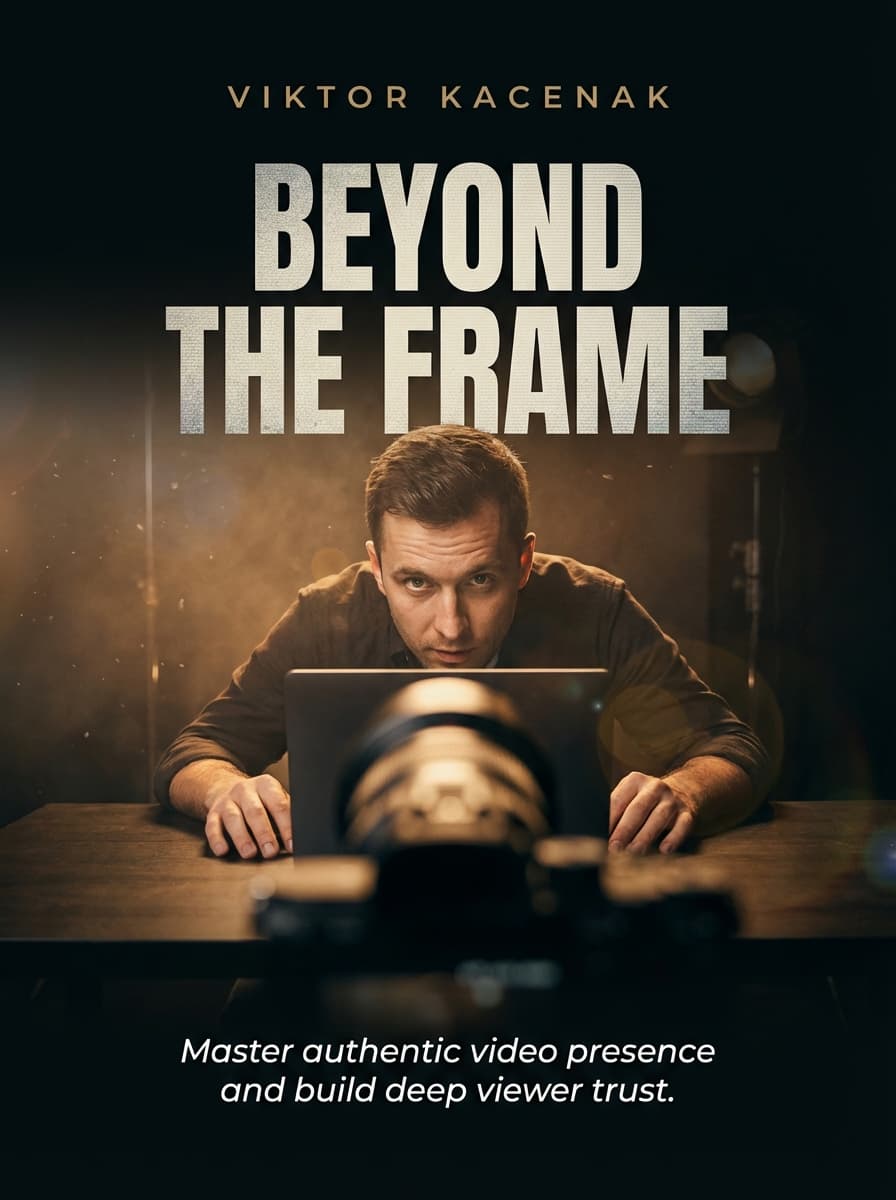
The red recording light blinks on. In that instant, the person you were moments ago vanishes. Your throat tightens, your hands forget where to rest, and a voice in the back of your mind starts whispering that you're about to embarrass yourself. This is the moment that separates those who create from those who only dream about it — the threshold between intention and action that every content creator must cross.
If this sounds familiar, you're not alone. Camera anxiety affects the vast majority of new creators, and even seasoned professionals admit that the inner critic never fully disappears. It simply learns to speak more quietly as you build the mental frameworks to override its warnings and trust your preparation instead of your fear.
But here's what the most magnetic on-screen personalities understand: confidence on camera isn't the absence of fear. It's a practiced skill, a muscle you build through deliberate repetition and self-awareness. The journey from anxious beginner to natural presenter follows a predictable arc that anyone can accelerate with the right approach and consistent practice.
Your body speaks before you do. Every gesture, posture shift, and micro-expression tells your audience a story about who you are and whether they should keep watching. The camera amplifies everything — a slight slouch becomes visible disengagement.
Start by finding your anchor position — the natural resting state your body returns to between gestures. For most people, this means shoulders back, chin slightly lifted, hands resting comfortably at waist height.
The red recording light blinks on. In that instant, the person you were moments ago vanishes. Your throat tightens, your hands forget where to rest, and a voice in the back of your mind starts whispering that you're about to embarrass yourself. This is the moment that separates those who create from those who only dream about it.
If this sounds familiar, you're not alone. Camera anxiety affects the vast majority of new creators, and even seasoned professionals admit that the inner critic never fully disappears. It simply learns to speak more quietly as you build the mental frameworks to override its warnings.
But here's what the most magnetic on-screen personalities understand: confidence on camera isn't the absence of fear. It's a practiced skill, a muscle you build through deliberate repetition and self-awareness. The journey from anxious beginner to natural presenter follows a predictable arc.
Research in cognitive psychology tells us that audiences form their impression within three seconds of seeing you on screen. That's less time than it takes to clear your throat. In those three seconds, your posture, eye contact, and vocal energy have already told a story.
The red recording light blinks on. In that instant, the person you were moments ago vanishes. Your throat tightens, your hands forget where to rest, and a voice whispers that you're about to embarrass yourself.
If this sounds familiar, you are not alone. Camera anxiety affects the vast majority of new creators, and even seasoned professionals admit that the inner critic never fully disappears.
But here is what the most magnetic on-screen personalities understand: confidence on camera is not the absence of fear. It is a practiced skill, a muscle you build through deliberate repetition.
In the chapters ahead, we will dismantle the myths that keep aspiring creators frozen in place and replace them with a concrete, science-backed framework you can begin using today.
The prefrontal cortex gets flooded by signals from the amygdala — the brain's threat detection center. Your body cannot distinguish between a camera lens and a thousand staring eyes.
This is why the physical symptoms feel overwhelming. Your mouth goes dry, your hands tremble, your voice cracks. Every single response is your body doing exactly what evolution designed it to do.
Dr. Marcos describes camera anxiety as a spectrum rather than a binary state. The goal is not to eliminate anxiety but to move yourself into the productive tension zone.
Research tells us audiences form their impression within three seconds. Your posture, eye contact, and vocal energy have already told a story before you speak a single word.
Stand in front of your camera every morning and record a thirty-second greeting. The goal is to normalize seeing that recording light and responding with calm presence rather than panic.
Professional anchors use the countdown method. Three seconds before going live, they take one deep breath, soften their facial muscles, and think of a single anchor word — steady, warm, or open.
This works because of embodied cognition: your physical state directly influences your mental state. Relax your shoulders, and your brain interprets these signals as safety cues.
Your body speaks before you do. Every gesture, posture shift, and micro-expression tells your audience a story about who you are and whether they should keep watching.
Studies in nonverbal communication show that body language accounts for up to fifty-five percent of the emotional impact of any message. Your words might be perfect, but if your body sends conflicting signals, audiences trust what they see.
Physical presence can be trained through small, deliberate adjustments to your posture and movement patterns over just a few weeks of dedicated practice.
Start by finding your anchor position — the natural resting state your body returns to between gestures. Shoulders back but not rigid, chin slightly lifted, hands at waist height.
Practice this position daily in front of a mirror for two minutes each morning. Notice where tension creeps in and gently release those areas back to neutral.
The screen creates a paradox. It connects you to thousands yet separates you from every single one of them. Learning to bridge that gap is the most important skill a modern creator can develop.
Conversational intimacy starts with treating the lens like a person you trust. When you look at the camera, imagine speaking to one specific person who genuinely needs to hear what you have to say.
The most successful creators share one common trait: they make each viewer feel like the only person in the room. This is a genuine orientation toward service, not a performance trick.
The screen is not a wall — it is a window. Your audience can see you, and more importantly, they can feel your energy through the digital medium.
Parasocial intimacy does not require revealing your deepest secrets. It requires consistent presence, genuine interest, and the courage to show up as yourself.
Your signature style emerges from the intersection of who you are and who you choose to be on screen. It is the thread that connects every piece of content you create.
Think of your on-screen persona as a volume dial, not a mask. You are still you — just at a slightly higher amplitude so the nuances of your personality survive the compression of digital media.
The journey from nervous beginner to confident creator is not a straight line. It is a spiral — each revolution bringing you closer to your authentic on-screen self.
Look back at where you started. Remember the racing heart, the stumbling words. Now your body knows its anchor position. Your voice has found its natural rhythm. Your eyes connect with the lens as naturally as they connect with a friend.
The world needs more authentic voices, more genuine perspectives. Every time you press record, you join a global conversation that shapes how people think, learn, and connect.
So take what you have learned, step in front of the camera, and share your story. Not perfectly — never perfectly — but authentically, with the quiet confidence of someone who knows that the person behind the lens matters far more than the frame around them.
Why Authors Switch from Vellum
Formatting is one step. Creation is five.
Vellum formats manuscripts. That's it. You still need to plan, write, design a cover, and export. Authorio handles the entire journey from outline to finished book. If you need help creating the book, not just formatting it, Vellum has nothing to offer.
Mac-only in 2026 is a hard sell
Vellum requires a Mac with no plans for Windows, Linux, or Chromebook support. Authorio runs in any browser on any device. For multi-device workflows or non-Mac users, this alone disqualifies Vellum.
No covers, no collaboration, no AI
Vellum formats interiors. You still need to hire a cover designer ($300-$1,000+), find a writing tool, and manage everything separately. Authorio generates professional covers with AI and includes team collaboration. One tool instead of three.
The real cost of "one-time" pricing
Vellum's $199-$249 sounds like a deal until you add the cover designer ($300+), the writing tool, and the editing passes. Your "one-time" Vellum book costs $750+ in total. Authorio's $29/mo includes AI writing, cover generation, formatting, and collaboration. The math favors Authorio after one book.
Where Vellum still wins
Vellum's formatting engine has 17 years of refinement. Custom ornaments, precise widow/orphan control, and deep typographic options give it an edge in pure formatting polish. Authorio's formatting is professional-quality but newer. We respect what Vellum does well. It just doesn't do enough.
Built for Creators Who Ship
Non-Mac users
Vellum is Mac-only, full stop. No Windows version is planned, ever. Authorio runs in any browser and gives you the complete creation pipeline Vellum never attempted.
First-time authors
No finished manuscript? Vellum literally cannot help you. Authorio guides you from a blank page to a published book.
Authors who need covers
Vellum only handles interiors. With Authorio, you get AI-generated covers and formatting in one tool, no designer needed.
Prolific Mac novelists
If you write 5+ novels per year on a Mac with established workflows, Vellum's formatting polish and one-time price may still make sense for that specific use case.
The Bottom Line
Vellum is the best pure formatter on the market. We'll say that plainly. But formatting is one step in the book creation process, and most authors need more than one step. If you're on a Mac, already have a finished manuscript, and just need beautiful output, Vellum earns its price. For everyone else, Authorio handles the entire pipeline: AI writing, cover design, formatting, and export on any platform. The question isn't which tool is better. It's whether you need a formatter or a book creation studio.
Ready to Create Your Book?
See why authors are switching from Vellum. Go from idea to publish-ready in one place.